


Pillars Ka Pou Whakahou (Pillars) is a charity based in Aotearoa New Zealand, whose head office is in Auckland. Pillars’ kaupapa (purpose) is to support the tamariki (children) and whanau (families) of people in prison to create positive futures for themselves. Pillars provides wraparound support for these families, with home-based social work and a youth mentoring programme.
The organisation’s mahi (work) is focused on building a community in which every child who has a family member or caregiver in prison or serving a community sentence has access to support and appropriate services.
Pillars' mentoring programme and Youth Advisory Panel Pillars are designed to empower the young people they work with to create a positive future for themselves.
Continue reading to learn more about this project. Alternatively this case study is available to download as a PDF in English and Spanish
Learnings from two other Aotearoa New Zealand CSOs on this theme, have been shared here.
Background
Pillars estimates that 17,000 children in Aotearoa New Zealand have a parent in prison. This can lead to instability, financial hardship and emotional distress within the family. It can result in long term negative health and education outcomes for children, with intergenerational trauma having a significant impact.
New Zealand has a high per capita prison population, with 170 per 100,000 people living in detention compared to an OECD average of just 147 per 100,000. M¯aori and Pasifika people are significantly over-represented in Aotearoa New Zealand’s prison system. M¯aori represent 17 per cent of the total population and 54 per cent of the prison population while Pasifika account for 8 per cent of New Zealand’s population and 12 per cent of the prison population.
Guided by M¯aori kaupapa (principles), Pillars works to create wh¯anau tangata (community and family), and foster ako (reciprocal learning) where staff work alongside and in partnership with rangatahi (young people). Embedding these values has meant that staff can work in a culturally confident way, which has enabled Pillars to engage with families where other organisations have struggled.
Pillars’ first meeting with a family is often at a time of huge upheaval following the incarceration of a family member. Children may have had to move home or school or adjust to different living arrangements. The first point of contact will be with a Pillars Family Support Worker who usually works with a family for three months before referring them on to the mentoring team.
The Model
In addition to providing wraparound support to the families as a whole, Pillars also runs a mentoring programme designed to support children and young people who have a family member in prison.
Volunteer mentors are recruited, interviewed, screened and trained by Pillars. They are asked to commit to meeting with their mentee once a fortnight for a minimum of a year.
At the interview stage Pillars staff get to know the volunteer, their background, interests and experiences and then match them with a child based on their common interests or shared experiences.
Mentors spend time with the child doing things they both enjoy, be that playing sport, crafting or making music. Key to this programme is providing the child with a positive adult role model who shows up every fortnight, giving them an opportunity to express their own feelings and interests outside of the family structure.
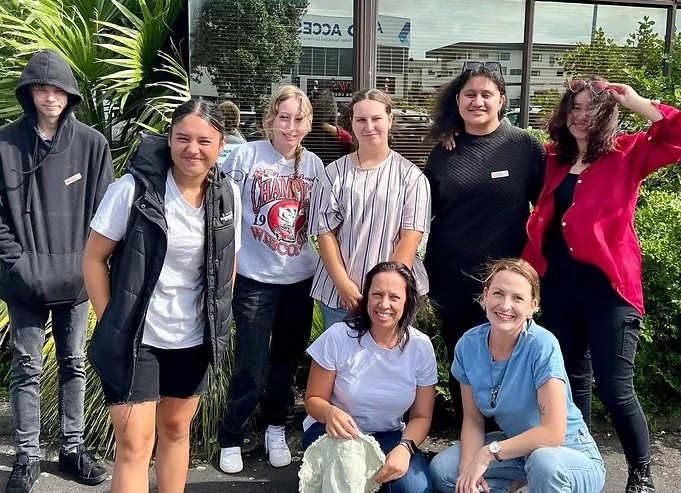
Above: Pillars' 2023 Youth Advisory Panel.
Following the Covid-19 pandemic New Zealand experienced a huge drop in school attendance and by 2022 regular attendance (defined as a child attending more than 90 per cent of the time) had dropped to under 50 per cent. This was compounded by the cost of living crisis, which led to some young people prioritising earning an income above going to school.
Pillars recognised a need to deepen its engagement with this cohort and in 2022 its debut Youth Advisory Panel called Ng¯a Rangatira Mo Apopo (Leaders for Tomorrow) was established. The goal is to spread the ideas of the panel far and wide, creating change for other young people with family in prison and ultimately contributing to the wider transformative justice conversation.
The panel is made up of 15 young people aged between 15 and 23 who have experience of having a family member in jail, and have previously engaged with the mentoring system. The young people on the panel select the topics they want the panel to focus on and in 2023 they chose youth mental health and family violence.
The Youth Advisory Panel immediately received a lot of interest from young people wanting to participate and from organisations wanting to hear from them. To date the panel has been approached by government and academics looking to engage them in feedback on policy decisions around mental health, children and care, family violence and youth offending.
Outcomes
Pillars has identified three major outcomes for Youth Advisory Panel members. Firstly, they have the opportunity to have their voices heard and to shape policies that will affect them. Secondly, the young people on the panel are empowered through experiences of giving speeches and testimonials to policy makers in an environment where they are listened to. And thirdly, seeing their testimony help other young people who find themselves with a family member in prison has given a powerful sense of achievement to the panel’s members.
The Youth Advisory Panel has been invited to speak to researchers from ‘Informed Futures’, a youth mental health research team at the University of Auckland, and to former Chief Science Advisor to the Prime Minister, Sir Peter Gluckman. The panel provided input on the upcoming changes to youth mental health policy. They shared their personal lived experiences, ideas, insights, and suggestions to make youth mental health more accessible, inclusive, effective, and conducive to long-term social well-being for young New Zealanders.
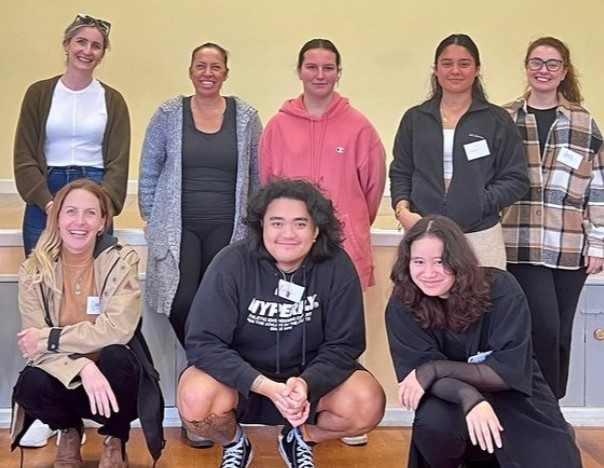
Above: Pillars’ Youth Advisory Panel meet with
researchers from the University of Auckland.
The mentoring system has been incredibly successful in creating long-term positive relationships in the lives of young people. Often the relationship will continue well beyond the first year and evolve into a more organic connection, with the mentor becoming an aunty or uncle figure in the young person’s life. In some cases a mentor has gone on to teach their mentee to drive, or helped with university or job applications. In one case, mentor and mentee have attended one another’s weddings.
Next Steps
Pillars plans to continue working with the Youth Advisory Panel to influence change at the top and to establish itself as the nationally recognised voice for young people who have experienced having a family member in prison. It aims to influence government policy to bring about systemic long-term changes.
Pillars Youth Advisory Panel focuses its advocacy on policy renewal that will lead to more support for these families, in areas they self identify as significant.
One such goal is the establishment of a Wh¯anau/Family Outreach Liaison role to be established in every district court in the country. Similar roles already exist in every court except the criminal court. A Wh¯anau/Family Outreach Liaison based in the criminal courts would be able to engage directly with families at critical points, to co-design children’s support plans that would walk alongside children and families while their family member is incarcerated – as well as post-release. Wh¯anau Outreach Liaisons would be professional experts in the justice and social sectors (not volunteers) who engage with families in a strengths-based, traumainformed, and culturally responsive way. The establishment of this role – and the subsequent support plans that would be put in place and activated for children – has the power to transform the long-term outcomes for one of New Zealand’s most vulnerable populations.
We formed our first youth advisory panel in 2022 and it has just taken off. It’s been amazing. Society really wants to hear from our young people. - Corrina Thompson Programme Development: Research and Youth Advocacy, Pillars
The success of the Youth Advisory Panel has encouraged the organisation as a whole to bring increased focus to advocacy work, in order to create changes in policy which could prevent the intergenerational trauma associated with incarceration, rather than simply needing to manage the symptoms once they have occurred. Meanwhile Pillars will continue to grow its mentoring programme.
Resources Required
- Having committed staff who work with transparency and integrity (tika and pono) is critical when working in this field. The young people with whom Pillars works may not have had a positive experience when engaging with social services in the past. Staff need to be willing to take the time to build trust and strong relationships.
- Staff should be well versed in trauma-informed practice, and able to support young people to co-design and scaffold their ideas, to ensure their voices are heard in spaces and places they may otherwise not be present. While young people are experts in their own lived experience, they need support from staff to safeguard them, protect them, support them and empower them.
- Embedding the organisational values of wh¯anau tangata and ako has taken time, but has strengthened the organisation immeasurably.
Challenges
The political context can be challenging when working with families of people who are in prison. Economic support may not be universally popular. Pillars continues to advocate for justice policies to be evidence based.
Pillars works with families and children at critical, often chaotic, times in their lives. Sometimes this can mean families are living in survival mode, and things can change often and quickly. It is important for staff to work through this alongside families at their own pace, working from a strengths-based model that is restorative of a families’ mana (self-worth, identity and self-belief).
Diversity continues to be a concern within the sector. People of colour, men and the LGBTQIA+ community remain underrepresented. Building a diverse workforce which reflects society as a whole would increase the ability of Pillars, and other organisations working in this space, to engage with marginalised groups.
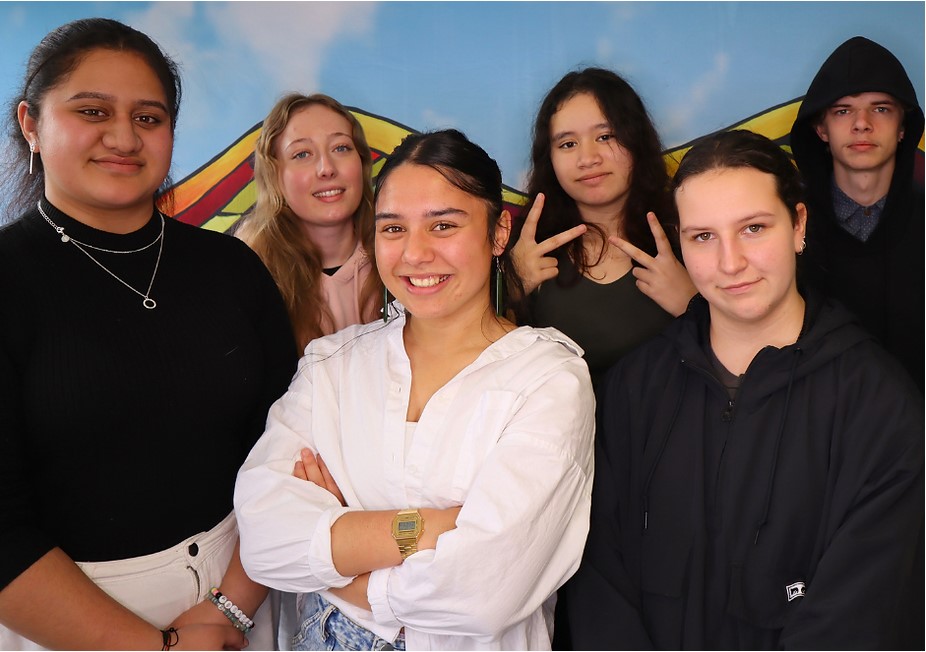
Pillars' 2023 Youth Council.
Top Tips
- When monitoring outcomes it can be really hard to quantify success; it is not possible to measure what would have happened if a child had not engaged with Pillars. If a young person comes into contact with law enforcement after two years of engaging with a programme it should not be viewed as a failure, as long as they are continuing to set goals for themselves and are working towards a positive future.
- Children engaging with Pillars may have experienced traumatic events in their past. If they are willing to share these experiences with decision makers it must not be done as part of a tick box exercise. Their stories should be used to effect change.
- It is important to engage trauma-informed and culturally competent staff and practitioners, who are able to empathise and connect with the community. Pillars works on the principle of ‘nothing about us without us’ – meaning staff and clients work together to create a vision of what a positive future will look like.
Contact Details
To find out more about Pillars Ka Pou Whakahou’s work please contact: [email protected] or visits www.pillars.org.nz
Further Reading
This case study is one of three focusing on engaging young people in advocacy in Aotearoa New Zealand. You can find out more about the work of VOYCE and Aviva here and browse our back catalogue of guidance papers here.
