


Introduction
Founded in 1996, Paicabí is a non-profit based in the Valparaíso and Coquimbo regions of Chile and works to promote and defend children’s rights.
In the aftermath of the devastating wildfires in Viña del Mar and Quilpué in February 2024, Paicabí recognised that the response from social services focused mainly on adults and on the material needs of the population such as access to housing, food and water, and that as a result children’s needs and their emotional wellbeing were being neglected.
In response, Paicabí launched the Wara project. The word ‘wara’ in Quechua means sunrise. Designed as a short-term project run over three to four months, Paicabí drew on previous experience of offering psychosocial support and trauma-informed care to develop a model which could be delivered swiftly on the ground.
Please read on for more information about the project, alternatively this study is available to download as a PDF in English and Spanish
The model
The Wara model was implemented three months after the wildfires to provide support and stability to the children and families affected.
Planning for the delivery of the Wara project was based on information provided by staff from the first-response protection programmes (also run by Paicabí) working in the affected communities, and contact with key local government and local civil society organisations.
Trained professionals, including social workers, psychologists, educators, and a visual artist with extensive experience of supporting children to process trauma through art and play, were deployed to the regions where the wildfires had had the greatest impact, and focused on establishing a trusted presence. By visiting shelters and informal settlements, the team aimed first to listen and understand, rather than impose pre-structured interventions. This initial presence helped to build rapport and allowed for a more tailored, context-sensitive approach.
The creation of emotionally safe spaces which allowed for both individual and group work was essential to the project. These spaces, often improvised within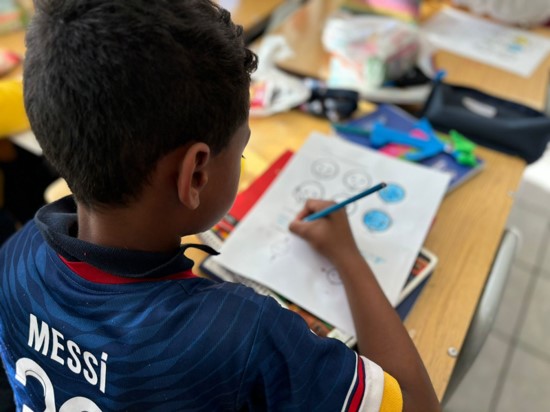 camps, schools and neighbourhood association centres, enabled children to engage in creative activities such as drawing, storytelling, puppet workshops and play. This not only helped to create a routine for children during this chaotic time, but also provided a means of emotional processing, aiding them in their own recovery process. By positioning the sessions as opportunities for play and artistic
expression rather than as a clinical intervention, Paicabí reduced any stigma around attending, which broadened community participation.
Paicabí delivered six projects, which each took place over three sessions. In total, 160 children and teenagers participated in groups of 25 or 30, with parental consent being required to attend. The sessions themselves were structured over five key moments:
- Children were welcomed: this was done using games to encourage interaction and emotional expression.
- Artistic activities: these supported emotional stabilisation – for example, playing with plasticine, painting or making puppets, while working and playing with one another.
- A reflective circle: after completion of the activity the children had the opportunity to discuss the work they had created during the session.
- Sharing experiences: this gave children the chance to talk about the impact the fires had on their lives and families. Many of the children had suffered multiple losses. Some lost their loved ones; some lost their pets or soft toys; and some lost
their homes. - Closing: this allowed children to discuss the different contributions of the participants and reflect on what had been shared.
During these group sessions, professionals worked with and guided the children, encouraging self-expression through their artwork. These interactions allowed practitioners to identify and follow up on specific psychosocial needs a particular child might have, including pre-existing vulnerabilities. This proved critical, particularly in identifying high-risk cases. To ensure continuity of care for children who required additional support, Paicabí staff focused on building partnerships with local institutions and social services to establish a referral system that worked on a case-by-case basis.
Working in emergency situations with communities which have been devastated inevitably takes a toll on staff. Being aware of this, Paicabí sought to create space for collective reflection and mutual care among staff, to maintain the wellbeing and resilience of the team throughout the intervention.
Outcomes
One of the clearest impacts was the visible re-engagement of children with play and expressive activities. As they participated in games, drawing, and storytelling, many began to articulate their experiences and emotions related to the fires. Feelings such as fear, sadness, and confusion surfaced, but in a setting that emphasised safety and contentment.
Parents and caregivers welcomed the presence of trained professionals who were not only interacting with the children but also offering support to the adults. This helped to rebuild a sense of community and trust, particularly in environments where families were living in temporary accommodation a long way from their homes.
Local schools and community members also became more aware of the psychological and emotional needs of children in post disaster contexts, reflecting a growing awareness of the importance of psychosocial care.
The project brought to light previously unaddressed situations, such as histories of abuse or mental health challenges, which were disclosed during activities and conversations. In these cases the team was able to refer individuals or families for more specialist interventions.
For the Paicabí team itself, the experience proved to be a moment of professional and personal growth. The challenges that team members faced helped reinforce team cohesion and validated the importance of their work, especially under emergency conditions.
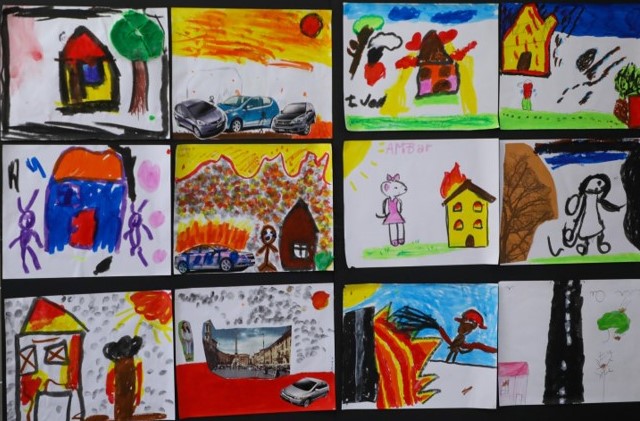
Following the delivery of the Wara project, the collection of artwork created by children has been developed as a touring exhibition called The Memorial Project. It comprises multimedia works which reflect on the trauma the creators had experienced. Currently on display in a community centre in Valparaíso, the plan is for the memorial to travel around the regions affected by the fires and be
exhibited in different museums.
Resources required
- Trained psychosocial professionals (with child-focused expertise).
- Art materials to be used to draw pictures, build models or create puppets to support children’s expression and storytelling.
- Suitable transport to reach dispersed or informal settlements in regions where infrastructure has been severely damaged.
- Partnerships with local institutions and services. These relationships helped Paicabí to secure spaces to deliver the workshops, and were vital for referring children on for specialist support when needed.
Self-care resources and support spaces for staff.
Challenges
Working in informal or improvised settings proved challenging when setting up the Wara project. Shelters and community spaces often proved unsuitable for hosting the planned activities, meaning the team had to adapt and often improvise, especially when large groups of children were present. This required not only creativity but also a high degree of flexibility and patience.
Responding to an emergency situation required a balanced approach. While mobilising quickly was a priority for Paicabí, the team also needed to work in partnership with other CSOs and social services to ensure that children received comprehensive support. Navigating these bureaucratic procedures and institutional boundaries often slowed down the process. In some cases, the
team had to operate within uncertain or ambiguous roles, which added to the emotional and operational burden.
A persistent and particularly difficult challenge was the emotional weight placed on the team. Being in close proximity to trauma and needing to remain emotionally available to children and families exacted a toll. And although the team developed internal support mechanisms such as reflective spaces and peer debriefing, these were sometimes sidelined due to the urgency of the work.
Next steps
Paicabí plans to draw on the lessons learnt during 2024 and is committed to refining and expanding its psychosocial response model. One of the key next steps will be to develop a toolkit offering guidance on how to replicate the Wara project swiftly in emergency situations. This will include guidelines on team
composition, materials, and phases of intervention, while retaining the flexibility that proved crucial in the field.
The organisation also plans to deepen partnerships with local governments, NGOs, and community leaders to strengthen coordination and resource-sharing during crises. There is a strong interest in developing training modules for professionals and volunteers that focus on trauma-informed care, particularly for work with children and adolescents. These modules will emphasise practical, field-tested strategies for emotional containment and safe engagement.
Another priority is to advocate for greater recognition and integration of community-based psychosocial practices within state-led emergency responses. By documenting its experience, Paicabí hopes to influence policy and funding mechanisms to support more holistic and responsive care systems.
Lastly, the organisation recognises the need to institutionalise the support of caregivers and frontline workers. Future responses will include more structured attention to the emotional wellbeing of adults, both within affected communities and among the professionals serving them.
Top tips
- Recognise that each child will have a unique emotional response to the trauma they have experienced and will respond differently to artistic interventions. Some will engage through play, while for others it will be art or storytelling which engages them emotionally.
- Be present in the community before proposing solutions. Start by listening before intervening: building trust is the foundation for positive relationships.
- Structure and routine can provide much needed stability – even just having a space to go to each day can create a sense of normality for children and their
families in times of chaos. Create internal support structures and build in time for staff to reflect and recharge.
Contact details
To find out more about Paicabí’s work please visit www.paicabi.cl or email [email protected]
